How these apps are made
Programming with AI
“An AI wrote it” is half a sentence. Here is the other half — four acts of what actually happens between the first prompt and a release that works on someone else's phone.
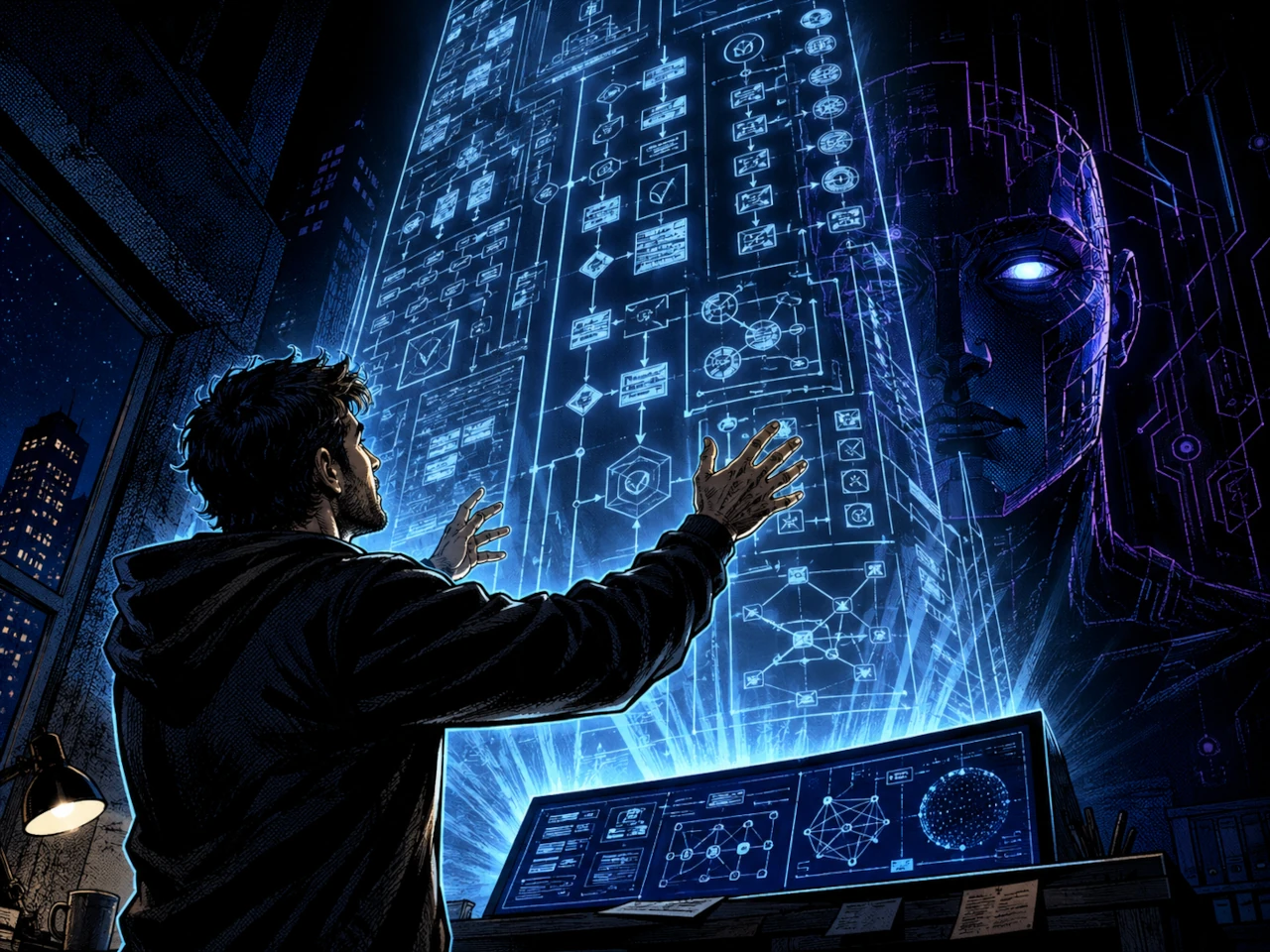 Act I · The brief
The prompt is the work
Nobody types “build me an app” and walks away. Every feature starts as a long, exact brief: the states, the edge cases, the data rules, the tests it has to pass, the things it must never do. AI writes code — it does not make the decisions. A vague prompt buys a vague app, and I pay for that later in rewrites.
 Act II · The review
Every line still gets read
What comes back is a draft, never a delivery. I read the diff, run it, click through the app, and send it back with what is wrong. Then again. When one model keeps missing the point, the same task goes to a different one — and yes, some rounds end with me telling a machine in plain words that this is not what I asked for.
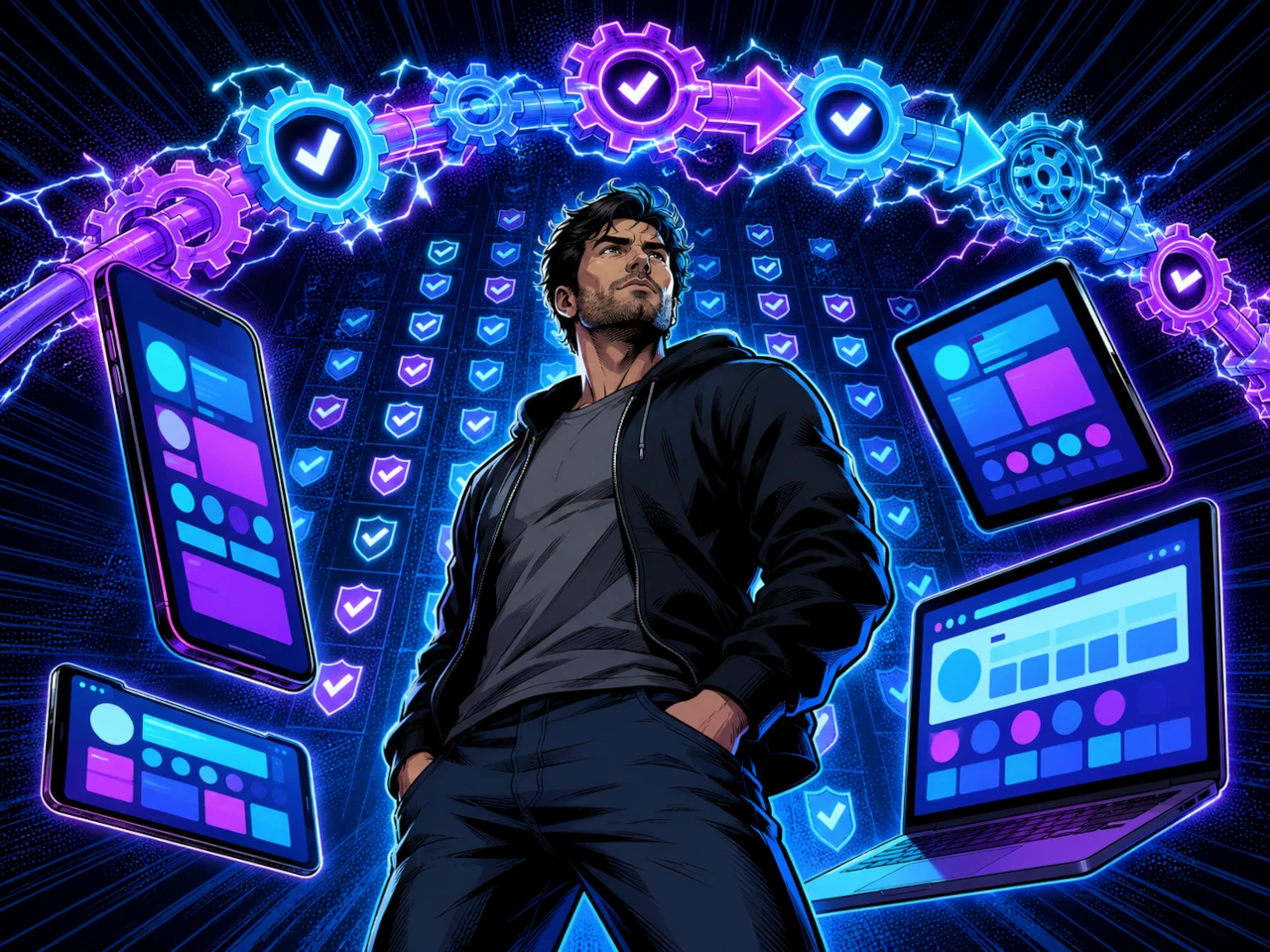 Act III · The field test
It ships only if it works everywhere
Then the part no model can do for me. iPhone and Android, phone and tablet, the web build, the browser on a phone, portrait and landscape. Release pipelines wired up on GitHub, signing keys, Play Console and App Store Connect filled in, the presentation site checked, every feature tried by hand before anyone else sees it.
 Act IV · The reckoning
Hours instead of months — except the testing
This is the honest arithmetic. Writing the code went from a month to a few hours — that part is real, and it is why these apps exist at all. Testing, releasing and keeping them correct did not get faster by a single minute, and that is where the time goes now. AI moved the bottleneck. It did not remove it.
Built with AI. Read, argued with, corrected, tested on real devices and shipped by a human — that half has no shortcut.